
Notes from the Field
Practical guides to NDIS assessments, everyday activities, equipment and occupational therapy — alongside Telehealth advice, rural visits and reflections from practice. Written by Derek, our occupational therapist.
Showing 90 of 90 articles.

Stay Connected: Join the Today & Tomorrow Allied Health Services Community
Sharing knowledge, practical advice and experiences from the world of occupational therapy.

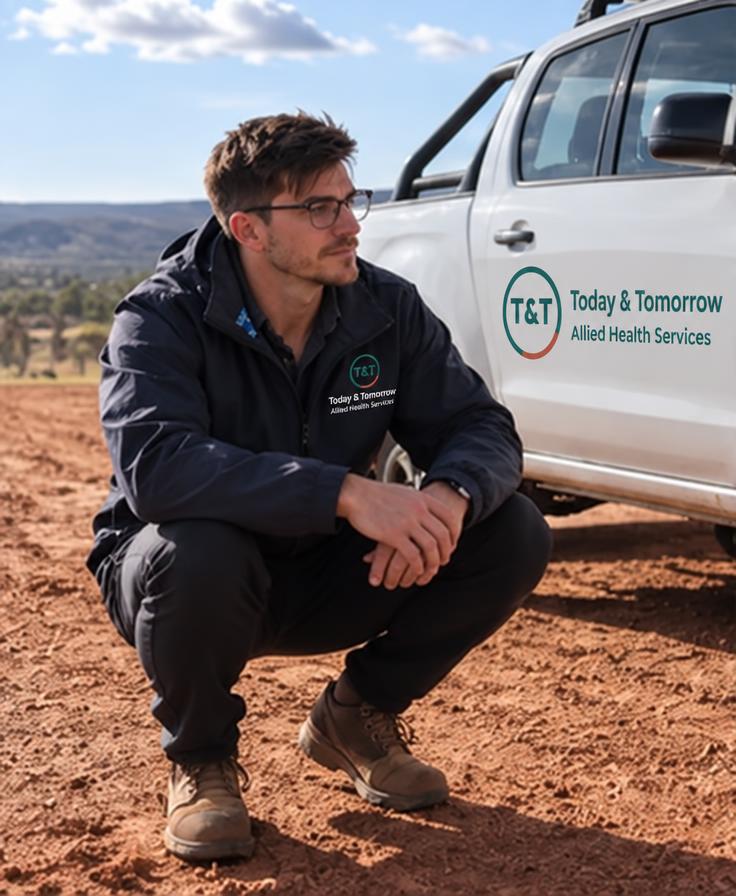
FIFO and DIDO Allied Health Clinicians: 12 Practical Tips for Working in Rural and Remote Australia
Long-distance driving, limited reception, equipment transport and travel fatigue all shape rural outreach work. These 12 practical tips help make FIFO and DIDO clinical work safer, more efficient and sustainable.
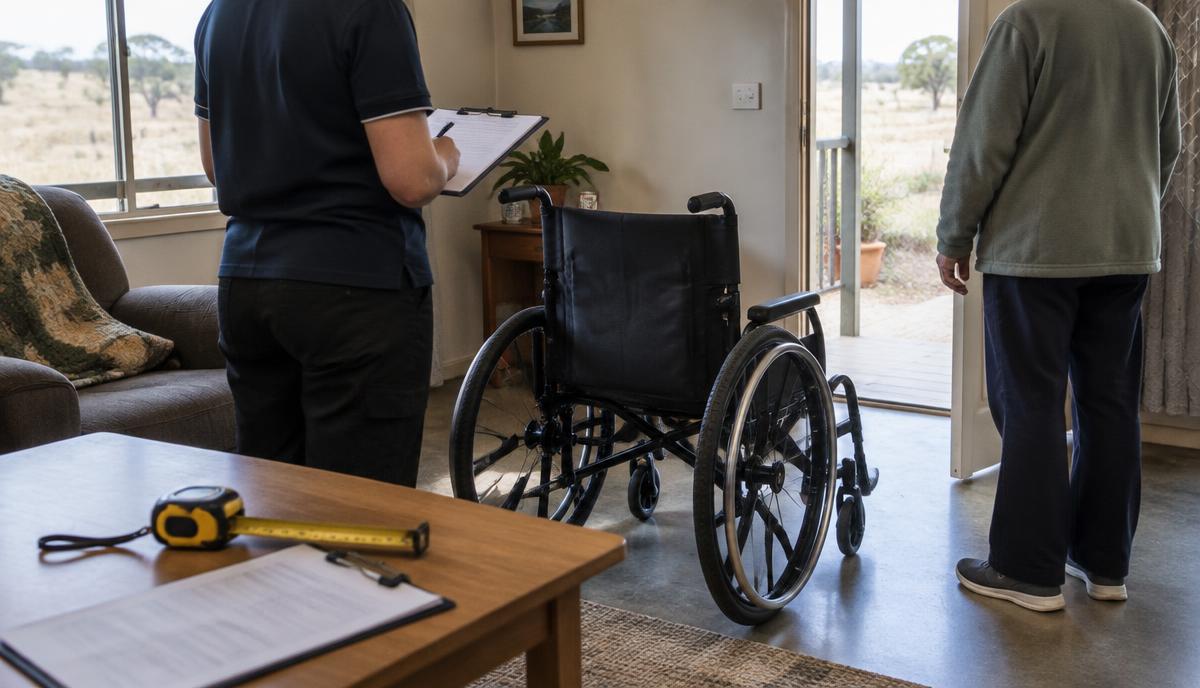
Rural NDIS Functional Capacity Assessments and Assistive Technology: What You Need to Know
Rural Functional Capacity Assessments must consider more than a diagnosis — gravel driveways, limited local services and equipment servicing all shape clinically justified recommendations.

Core, Capacity Building, Capital and Recurring Supports each serve a different purpose. This guide explains what each budget can fund, how flexible it is, and which budget usually pays for Occupational Therapy.
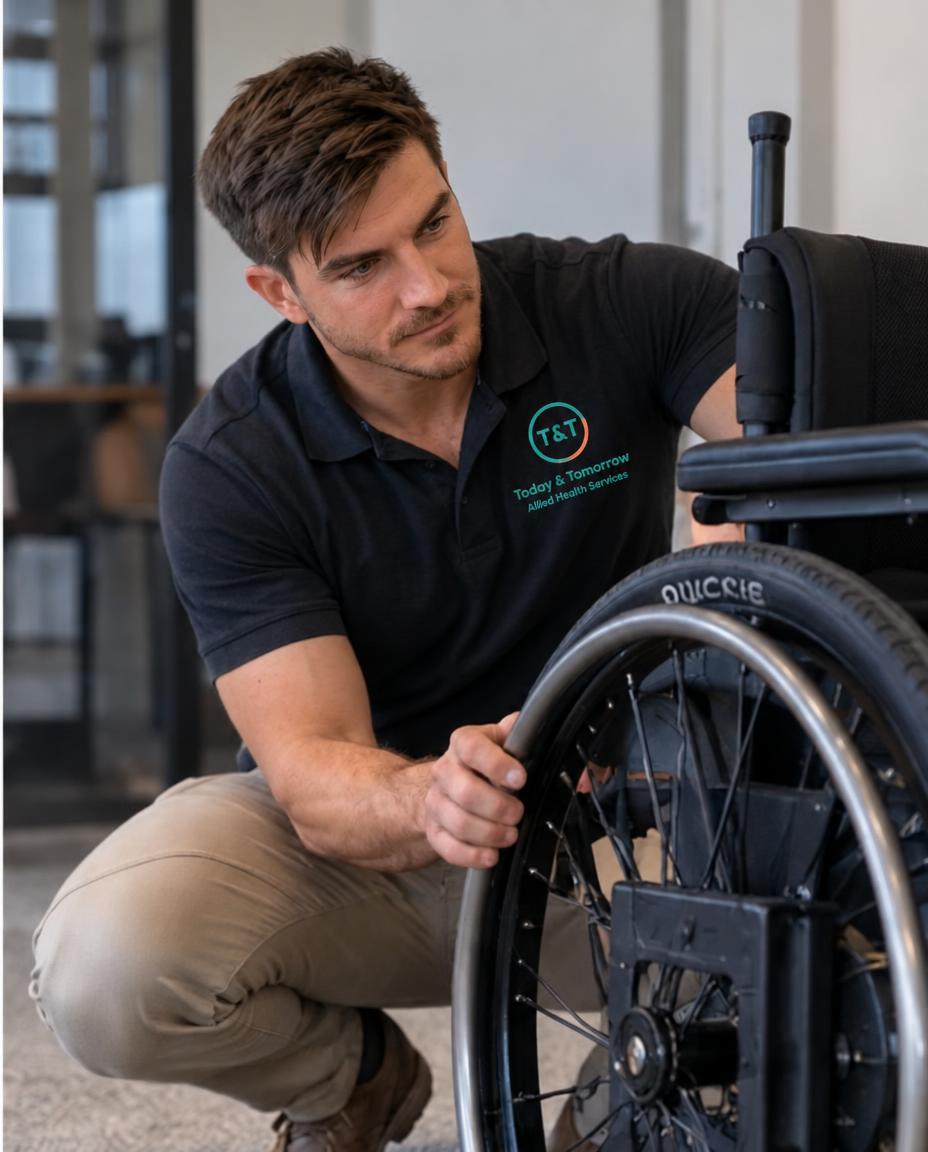
When Is a Hybrid Occupational Therapy Assessment Appropriate?
A hybrid OT assessment combines remote and in-person work when that combination can answer the clinical questions safely and reliably.

The Role of Occupational Therapy in Hospital Discharge
Occupational therapy helps connect hospital recovery with the practical demands of everyday life, equipment and support at home.

NDIS Plan Management Versus Self-Management
Both approaches can support choice and control, but they involve different responsibilities. Compare invoice handling, records, provider choice and practical preparation.
Electric Beds and Pressure Care Equipment
Electric beds and pressure care equipment need individual assessment, compatible components and a practical plan for safe everyday use.

Understanding Fatigue and Fluctuating Disabilities
A single appointment cannot show the full impact of fluctuating disability. Assessment should consider patterns, assistance, recovery and sustainable participation.
Autism and Functional Capacity Assessments
An autism-informed functional assessment should recognise strengths, communication preferences, sensory needs and the support behind everyday participation.
What Makes a Strong Supported Independent Living Assessment?
A strong SIL assessment connects your preferences and daily support needs with clear evidence. Learn what useful reports explain and how to prepare.
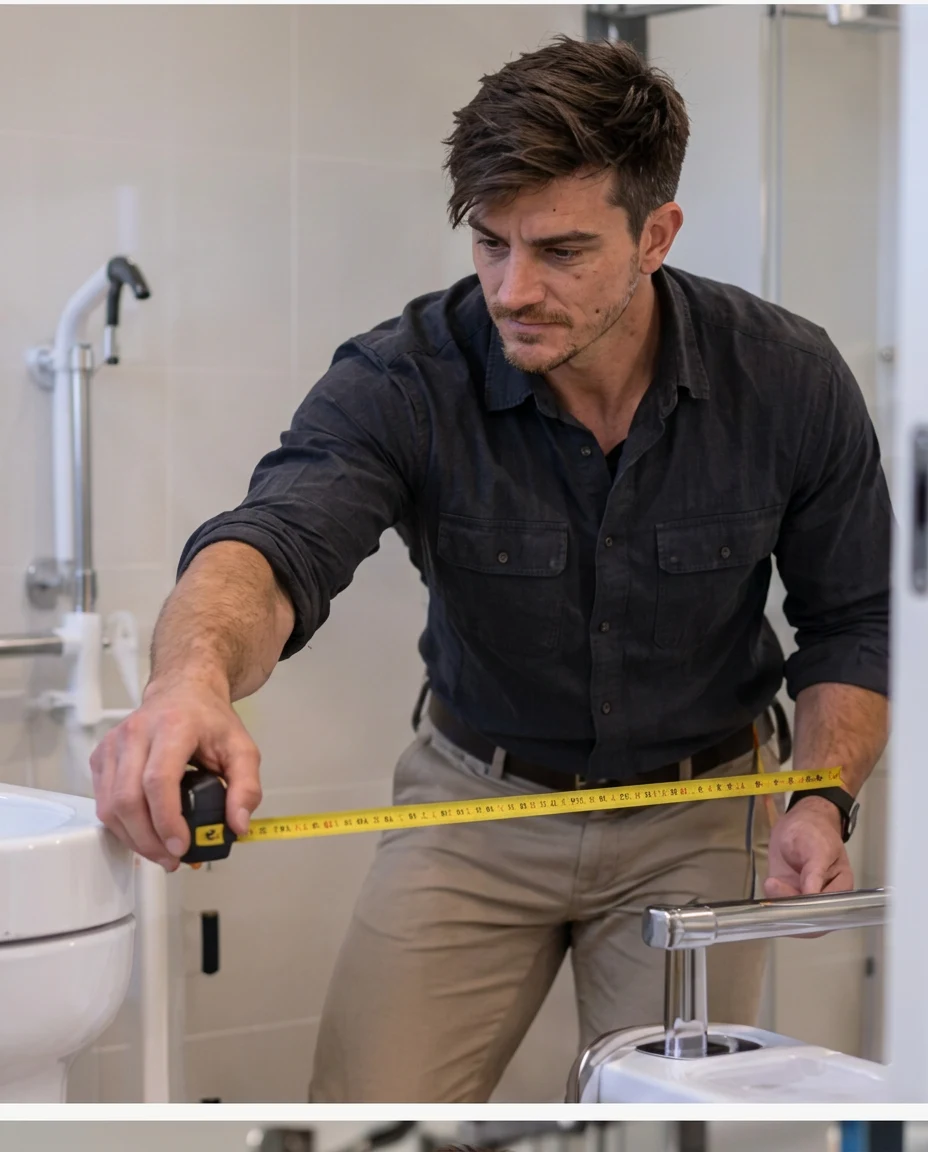
Assessing Falls Risks in the Home
A home falls assessment considers the person, their everyday activities and their surroundings—not just loose rugs or steps.
NDIS Transport Funding Explained
Transport funding, support-worker transport and provider travel are different. Understand the distinctions and prepare information about your disability-related travel needs.
When Does the NDIS Fund a Wheelchair?
Wheelchair funding depends on disability-related needs, suitable equipment and the evidence supporting the request. Learn what to prepare before assessment, trials and purchase.
How Occupational Therapists Assess Executive Functioning
Executive functioning assessments explore how planning, starting, organising and adapting affect everyday activities, not simply how someone performs on a test.
Understanding WHODAS 2.0 in NDIS Functional Capacity Assessments
WHODAS 2.0 can help describe disability-related difficulties, but meaningful assessment also needs your priorities, everyday experiences and evidence from different sources.

How to Prepare for Your NDIS Functional Capacity Assessment: A Complete Checklist
A Functional Capacity Assessment is an opportunity to develop a detailed understanding of how your disability affects everyday life.

The Hidden Impact of Informal Care: Why Carer Capacity Matters in NDIS Assessments
Behind many people living with disability is a network of family members, partners, friends and other informal supporters who provide assistance every day.
Accessing Specialist Occupational Therapy in Regional Australia: Your Options Explained
Accessing specialist occupational therapy can be challenging for people living outside major metropolitan areas.
When Is 24/7 Support Necessary? Understanding NDIS Rosters of Care
For some people living with significant disability, support requirements extend beyond a few hours of assistance each day.

A person’s home should support their ability to move safely, complete everyday activities and maintain independence.

What Happens When Your NDIS Funding Doesn’t Match Your Support Needs?
Receiving an NDIS plan that does not adequately address your disability-related support needs can create uncertainty for participants and families.

Understanding Psychosocial Disability: How Occupational Therapy Supports Everyday Independence
Psychosocial disability can affect much more than a person’s emotional wellbeing.
Why an Assistive Technology Trial Matters Before Purchasing NDIS Equipment
Assistive technology can make a significant difference to a person’s independence, safety and quality of life.
SIL, ILO and SDA Explained: Which NDIS Housing Support Is Right for You?
Finding a safe, suitable and sustainable living arrangement is an important goal for many NDIS participants.
When Should You Request a New Functional Capacity Assessment?
A Functional Capacity Assessment (FCA) provides a detailed picture of how a person’s disability affects their ability to manage everyday activities, maintain independence and participate in their community.

Telehealth Functional Capacity Assessments: Improving Access Across Regional, Rural and Remote Australia
Where someone lives should not determine the quality of occupational therapy services they can access.

Navigating the NDIS often means working with several different professionals.

Receiving an NDIS plan can be an important step towards accessing disability-related supports.
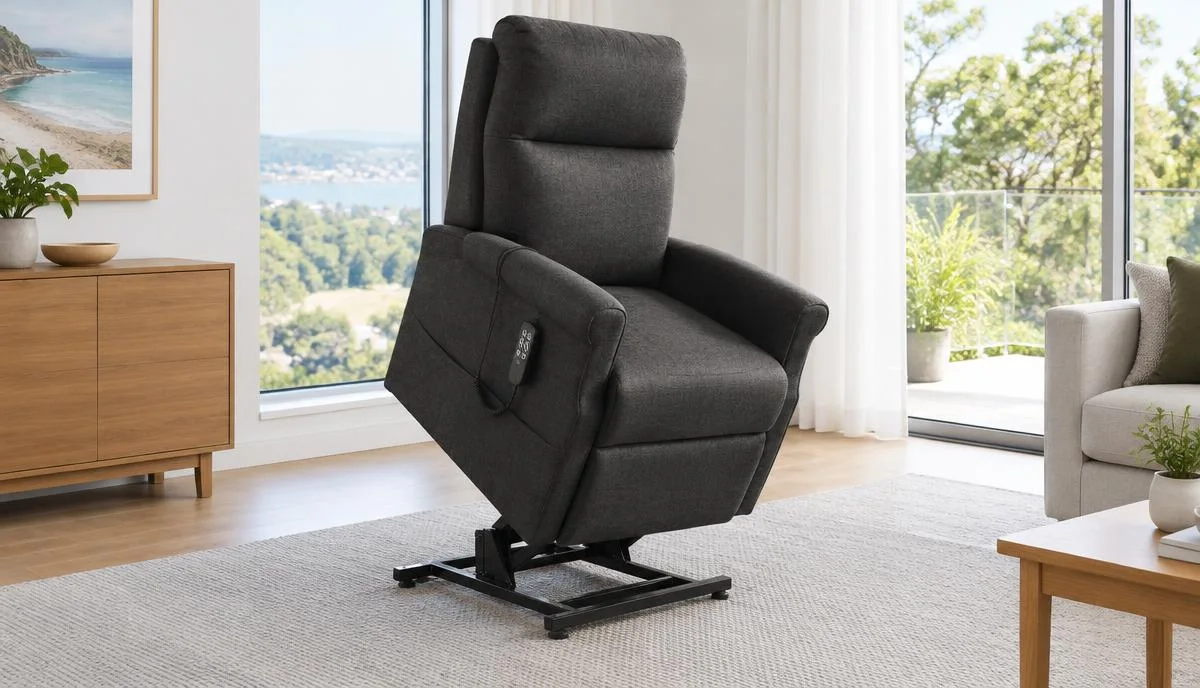
Choosing the Right Electric Lift Recliner Chair: An Occupational Therapy Guide
An electric lift recliner chair can make a meaningful difference to a person’s comfort, mobility and ability to complete everyday transfers.
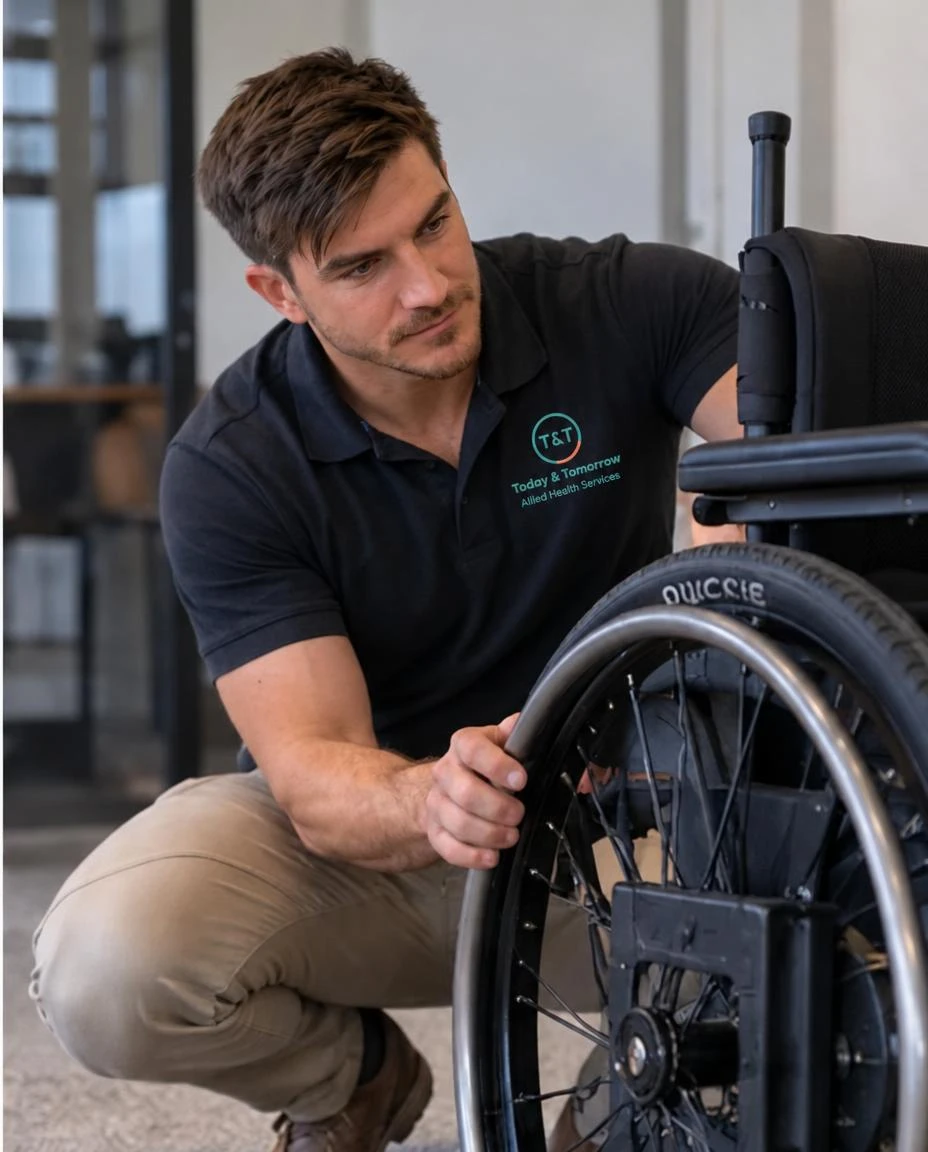
Manual, power assist and power wheelchairs each suit different strengths, environments and goals. The right choice starts with how a person wants and needs to live.
Across Tasmania, families are told the same thing: books closed, or a wait of several months. Telehealth is a practical way around that queue.
Getting a Telehealth FCA in Tasmania Without the Months-Long Wait
A Functional Capacity Assessment doesn't have to wait until a clinician has a free spot in Hobart or Launceston. Here's how the Telehealth version works.

Supported Independent Living Assessments in the Murraylands: Bringing Specialist Occupational Therapy to Regional South Australia
Access to experienced occupational therapy services should not depend on living in a metropolitan area.
Plan Review Coming Up in Regional Tasmania? Don't Let the OT Waitlist Decide the Outcome
In the north-west, west coast and east coast, a plan review can arrive before a local OT appointment does. A few practical steps make the difference.
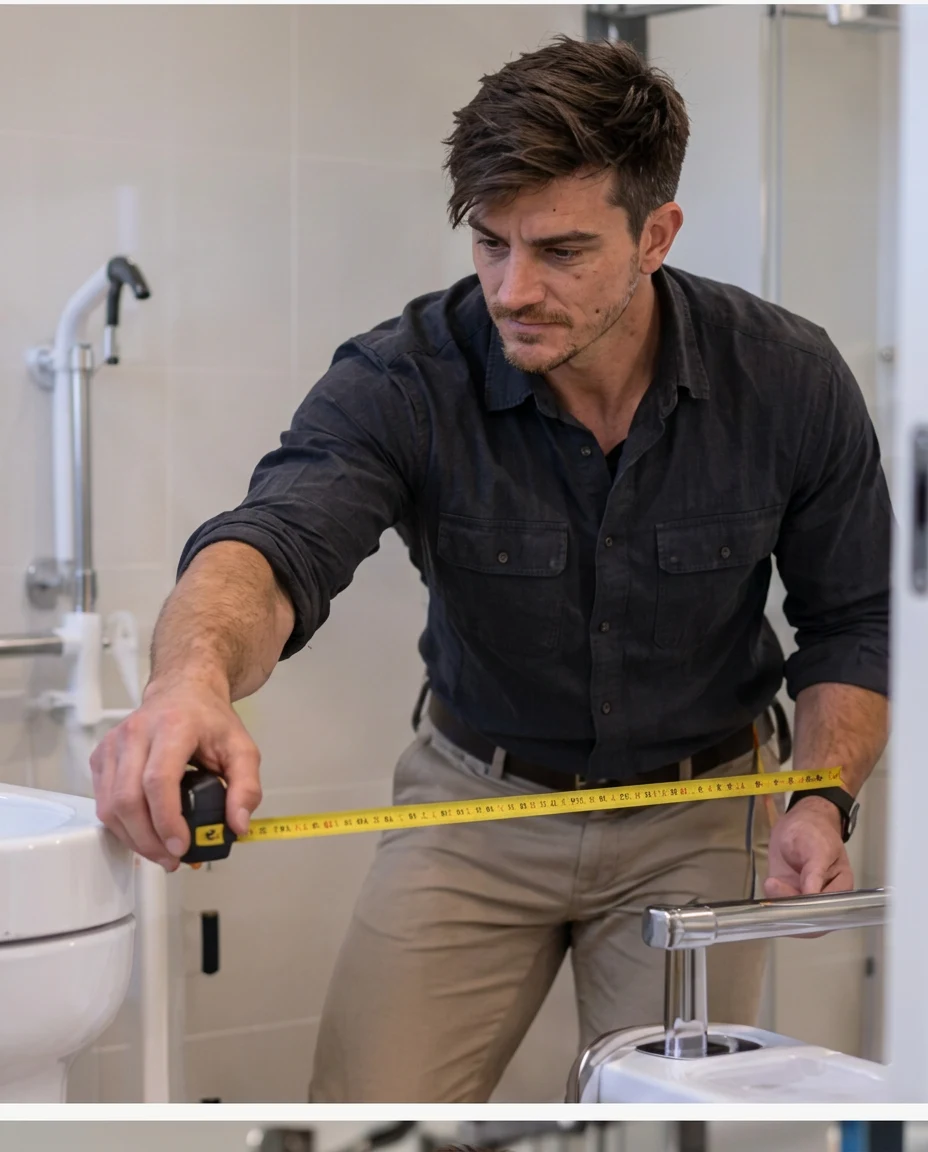
NDIS Home Modifications: Understanding Category A, Category B and Complex Home Modifications
From a well-positioned grab rail to a major bathroom redesign, the complexity of a home modification shapes the assessment, planning and documentation required.
The Gold Coast has no shortage of occupational therapists — but the right one for an NDIS participant depends on more than availability. Here's what actually matters.
From referral to report in your hands — here's how a mobile FCA actually works on the Gold Coast, step by step.
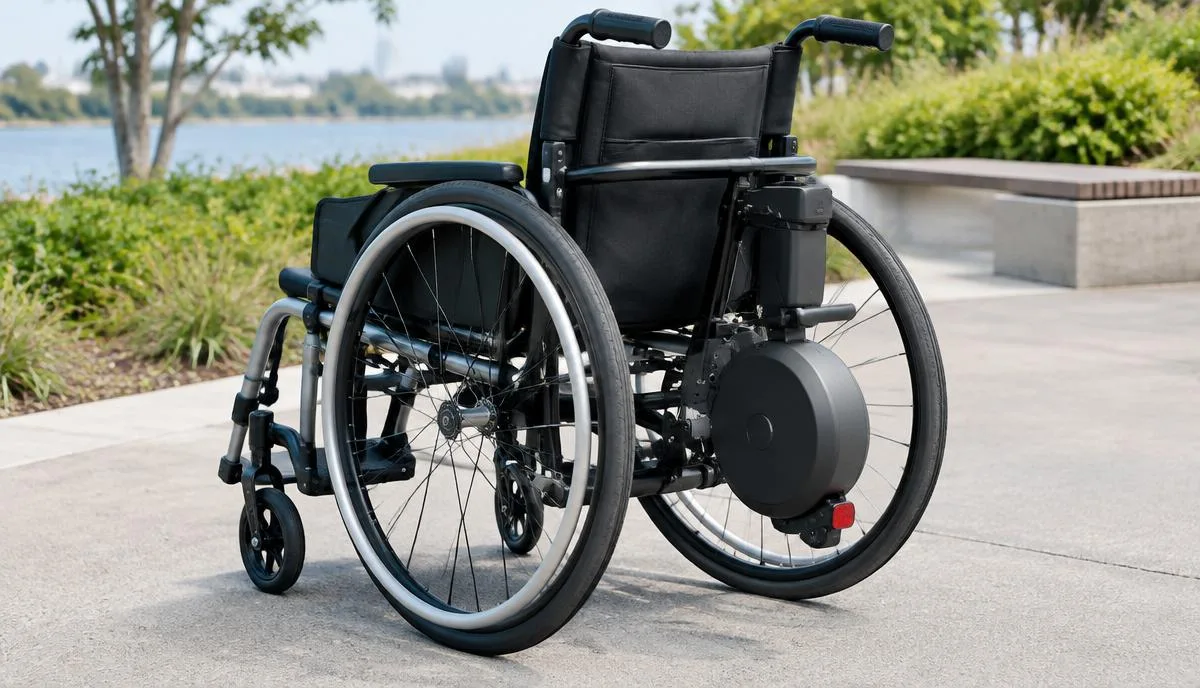
The Success of a Power Assist Wheelchair Trial: How the Right Technology Can Improve Independence
For individuals who rely on a manual wheelchair, everyday mobility can involve considerably more physical effort than many people realise.
A bathroom modification in a Broadbeach unit is a different job from the same modification on a hinterland acreage. Here's why housing type matters in the assessment.
“My mum helps me” is a simple sentence that can hide an enormous amount of unpaid support. An FCA needs to understand what that support actually involves.
What Happens During an OT Home Visit for an NDIS FCA?
An OT home visit isn't a house inspection and it isn't a test. It's about how you manage everyday life in the place you actually live.
How to Submit Evidence for an NDIS ART Review
Strong NDIS evidence doesn't win by volume. It wins by being relevant, specific and easy for the Tribunal member to follow.
The hearing isn't the end of the road. Here's what actually happens afterwards — and what each possible outcome means for your plan.
A recent week in the Riverland was a reminder that rural work is not always straightforward, but it is always worthwhile.
One of the most useful things in an ART review is a bundle most applicants have never heard of: the T-documents.
The picture most people have — a tense hearing room — is usually wrong. Most NDIS matters at the ART end in agreement well before a hearing.
You usually can't go straight to the Tribunal — and that's not necessarily a bad thing. Here's how the two review steps fit together.
Your decision notice is the starting point for checking review rights and timing. Do not delay seeking advice while waiting for clinical reports.
The rules around requesting an early NDIS plan reassessment have changed. For participants whose circumstances have significantly changed, understanding the process is particularly important.
Record keeping might not be the most exciting NDIS reform, but good documentation protects participants, nominees and providers.
Pressure Care: Why Preventing Pressure Injuries Is Everyday OT Work
Pressure injury prevention is a daily, individualised plan — combining skin checks, movement, support surfaces and routines that fit the person's life.
Pressure Care: Choosing and Reviewing Wheelchair Seating
A wheelchair cushion is one part of a seating system. Suitability depends on the person, the chair, the setup and everyday use — not the cushion material alone.
Changes to how some NDIS support budgets are determined are scheduled to begin from 1 October 2026, with timing depending on when a plan is reassessed, renewed or approved.
The New 90-Day NDIS Claiming Deadline
A 90-day claiming deadline is scheduled to begin in December 2026, helping participants see a more current picture of their plan spending.
From February 2027, plan continuations are scheduled to be replaced by plan renewals, with an important change to unused funding.
For families of children with disability, the announced reasonable and necessary changes put particular focus on parental responsibility and age-expected support.
The short answer is no — but the role of Functional Capacity Assessments is changing as a new planning framework approaches.
A scripted wheelchair is built around one person's measurements and body. When it fits properly, it protects health — when it doesn't, it quietly causes harm.
Scripted vs Off-the-Shelf Wheelchairs: What's the Actual Difference?
Not everyone needs a scripted wheelchair — but for people who sit all day, have postural needs or propel themselves, the difference is health, not luxury.
Sensory Profile Quadrants Explained: Seeking, Avoiding, Sensitivity and Registration
The four sensory quadrants turn 'he's just sensitive' or 'she never sits still' into a pattern you can actually understand and work with.
A sensory report only helps if it changes Tuesday morning. Here's how assessment results become practical routines at home and school.
Why Play-Based Therapy Works (and Why It Looks Like 'Just Playing')
Play is a child's occupation. When therapy happens inside play, children work harder, learn faster and don't realise they're doing therapy at all.
What Actually Happens in a Play-Based OT Session
First session nerves are normal. Here's what a play-based OT session actually looks like, step by step, and what your child gets out of it.
Retained Primitive Reflexes: What Parents Should Know
A reflex finding alone does not explain a child's difficulties or establish a diagnosis. Start with the everyday activities your child finds difficult.
School Readiness and Primitive Reflexes: What to Assess
School readiness is broader than letters and numbers. Focus on joining routines, using tools and managing everyday tasks rather than assuming one cause for difficulties.
The right housing evidence can help a participant move from an unsuitable placement towards a home that genuinely works.
Wheelchair Accessible Vehicle Modifications: Where an OT Fits In
Getting in, out and travelling safely is a clinical question before it's an engineering one. That's where an OT assessment comes in.
From a simple swivel cushion to a full lowered-floor conversion, vehicle access options sit on a ladder. The right rung depends on the person, the chair and the car.
Not every report is ready for the Tribunal. Tribunal-ready documentation answers the decision-maker's reasoning directly, with clinical evidence behind every claim.
24/7 NDIS Support and SIL: What the Changes Mean
For participants who need support around the clock, the SIL reforms make independent, functional evidence especially important.
Power wheelchair rejections often come down to missing trial evidence or unclear links between the chair and daily function — both things a targeted OT assessment can address.
Supported Independent Living registration requirements strengthened from 1 July 2026, with an important transition deadline approaching for existing providers.
Home modification rejections usually dispute value for money or whether the works are reasonable and necessary — targeted OT evidence answers both.
Not all occupational therapy work happens while you are in the room with your therapist. Clearer billing aims to make each part of the service easier to understand.
The 2026–27 NDIS Pricing Schedule took effect on 1 July 2026, alongside a broader shift towards evidence-led pricing and transparency.
Requests for 2:1 or higher support ratios fail when the evidence describes the behaviour but not the functional and safety reasons behind the ratio.
When the NDIA says current support hours are enough, the review turns on whether the evidence reflects the person's real, whole-of-week support needs.
Therapy funding cuts are often justified as 'capacity building complete'. Tribunal-ready evidence shows why ongoing therapy remains reasonable and necessary.
What Is an NDIS Functional Capacity Assessment?
An FCA looks at how disability affects everyday life — not simply a diagnosis. Here is what the assessment covers, how it works and what a useful report should explain.
You do not need to perform or prove anything during an FCA. A little preparation can, however, help your occupational therapist understand an ordinary day more clearly.
A plan reassessment does not automatically mean you need another FCA. Updated evidence is most useful when it answers a current question or documents a meaningful change.
Strong NDIS evidence is not about collecting the largest number of reports. It is about asking the right professional to answer the right functional question.
Why I Am Scheduling Regular Mackay Visits
Regular Mackay visits help local participants access the same occupational therapy services available on the Gold Coast.
Many interviews, observations, coaching sessions and reviews work well online. Good care means knowing when to use Telehealth and when to visit in person.
Six Years as an OT: The Lessons That Shape My Work
Good occupational therapy is not about ticking boxes. It is about understanding the person's whole world and building recommendations that fit.
A rural visit starts well before the car is packed. Good preparation helps make limited face-to-face time useful and keeps support moving afterwards.
A wider doorway or redesigned bathroom only works when it reflects the person, their routines, equipment and support network.
The right wheelchair is a mobility system shaped around the person — their body, goals, environment, carers and daily routines.
Telehealth works best when it is chosen for the task — not treated as a lesser copy of an in-person appointment.
Have a question about an update or need occupational therapy support?