
Home Modifications
NDIS Home Modifications: From Occupational Therapy Assessment to a Safer Home
A person’s home should support their ability to move safely, complete everyday activities and maintain independence.
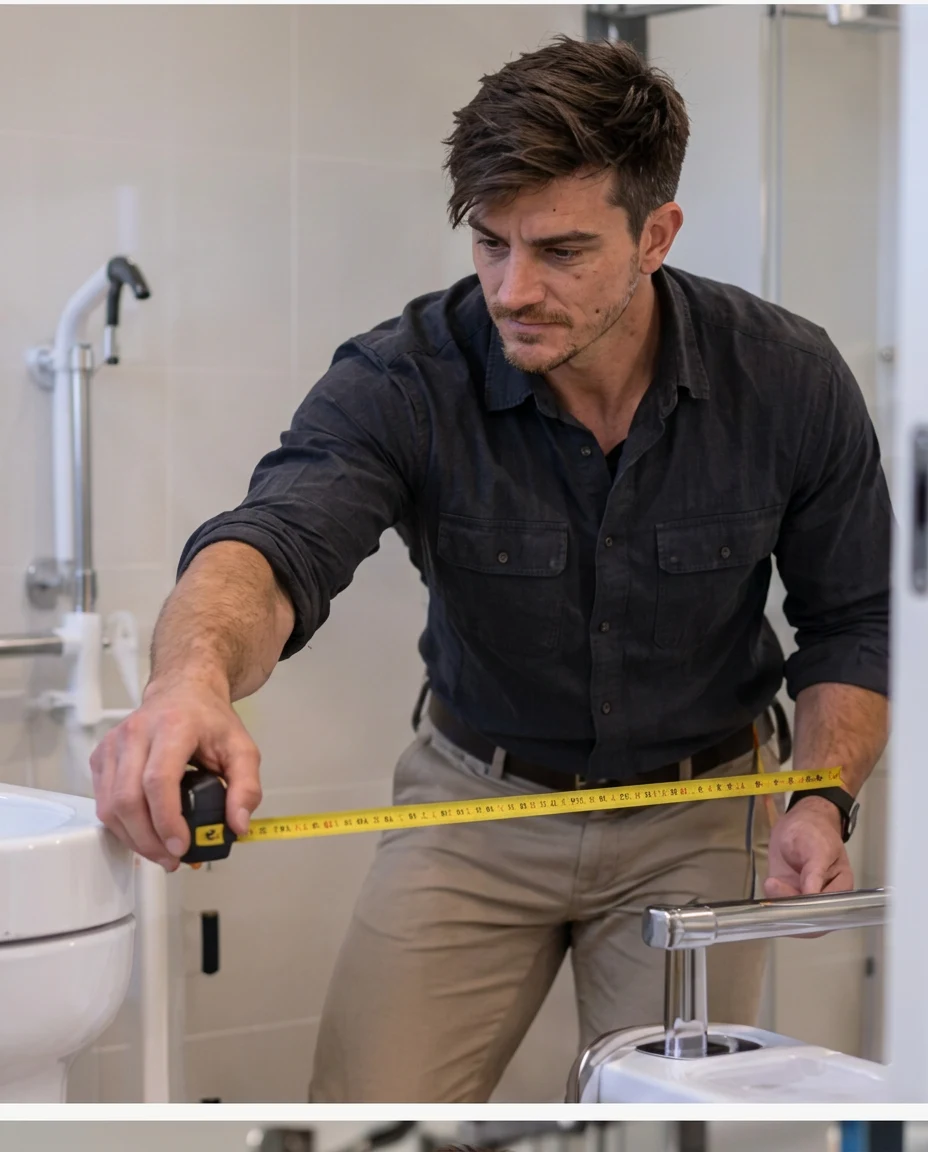
A person’s home should support their ability to move safely, complete everyday activities and maintain independence.
For people living with disability, however, standard residential environments can create substantial accessibility and safety barriers.
Bathrooms may be difficult to access, doorways may be too narrow for mobility equipment, and everyday activities such as showering, toileting or preparing meals may become unnecessarily difficult.
NDIS home modifications can help address eligible disability-related environmental barriers.
What Are NDIS Home Modifications?
Home modifications are changes to the physical structure or fixed features of a home to improve accessibility, safety or functional independence.
They differ from portable assistive technology, which generally involves equipment that can be moved or purchased separately.
Depending on individual needs, home modifications may involve:
Not all home improvements qualify for NDIS funding. The proposed modification must satisfy the relevant disability support and funding requirements.
- Installing suitable grab rails.
- Modifying bathroom layouts.
- Improving shower accessibility.
- Altering doorway widths.
- Installing access ramps.
- Modifying kitchen workspaces.
- Improving wheelchair circulation space.
- Changing fixtures to improve accessibility.
Understanding Minor and Complex Home Modifications
Minor Home Modifications
Minor modifications generally involve relatively straightforward changes that do not substantially affect the structure of the property.
Examples may include certain bathroom alterations, accessible fixtures or smaller access improvements.
Complex Home Modifications
Complex modifications involve structural changes or more technically demanding work.
These may include substantial bathroom redesigns, major accessibility alterations or changes that require detailed building plans and specialist construction input.
Complex modifications generally require more extensive assessment, design coordination and supporting evidence.
The Role of an Occupational Therapist
An occupational therapist examines the relationship between a person’s functional abilities and the environment in which they live.
During a home modification assessment, the OT may consider:
The assessment focuses on identifying a solution that is appropriate for the individual rather than simply recommending a particular building alteration.
- Mobility and transfer abilities.
- Balance and falls risks.
- Wheelchair or mobility equipment requirements.
- Personal care activities.
- Current and anticipated functional needs.
- Support worker and carer safety.
- Environmental measurements and accessibility.
- Whether less extensive alternatives would meet the person’s needs.
Why a Home Assessment Matters
An environmental barrier may not be obvious without observing how a person completes daily activities.
For example, a bathroom may technically accommodate a wheelchair but provide insufficient space for safe transfers or support worker assistance.
A doorway may meet standard residential requirements but still be unsuitable for a particular mobility device.
An OT assessment considers how the person uses the space in practice.
What Evidence Is Required?
Evidence requirements vary according to the proposed modifications.
The NDIA may require an occupational therapy assessment, measurements, supporting clinical information, plans, cost estimates or building quotations.
For complex modifications, coordination with appropriately qualified building professionals is particularly important.
Property ownership and permissions must also be considered. Where the participant does not own the home, relevant written consent from the property owner is generally required.
Home Modifications and Long-Term Independence
Appropriate modifications can help reduce physical barriers and support more sustainable living arrangements.
Potential benefits include improved bathroom access, safer transfers, reduced reliance on physical assistance and better access to essential areas of the home.
The expected benefits should be considered alongside the participant’s current needs, future circumstances and available alternatives.
Home Modification Assessments With Today & Tomorrow Allied Health Services
Today & Tomorrow Allied Health Services provides occupational therapy services relevant to home accessibility, assistive technology and disability-related environmental needs.
We can assist participants in understanding the functional barriers within their homes and identifying appropriate assessment pathways.
Experiencing accessibility difficulties at home?
Contact Today & Tomorrow Allied Health Services to discuss an occupational therapy home assessment.
Frequently Asked Questions
Does the NDIS fund bathroom modifications?
Bathroom modifications may be funded where they meet the applicable NDIS criteria and appropriate evidence is provided.
Can NDIS home modifications be completed in a rental property?
Potentially, but the necessary property owner permissions and other requirements must be satisfied.
Do I need an occupational therapist for home modifications?
The NDIA requires assessment evidence from a home modification assessor: an occupational therapist with relevant additional qualifications and experience for minor and complex home modification assessments.
Official sources
This article provides general information only. NDIS rules and individual circumstances can change; check current official guidance or seek advice about your situation.