
Assistive Technology
Choosing the Right Electric Lift Recliner Chair: An Occupational Therapy Guide
An electric lift recliner chair can make a meaningful difference to a person’s comfort, mobility and ability to complete everyday transfers.
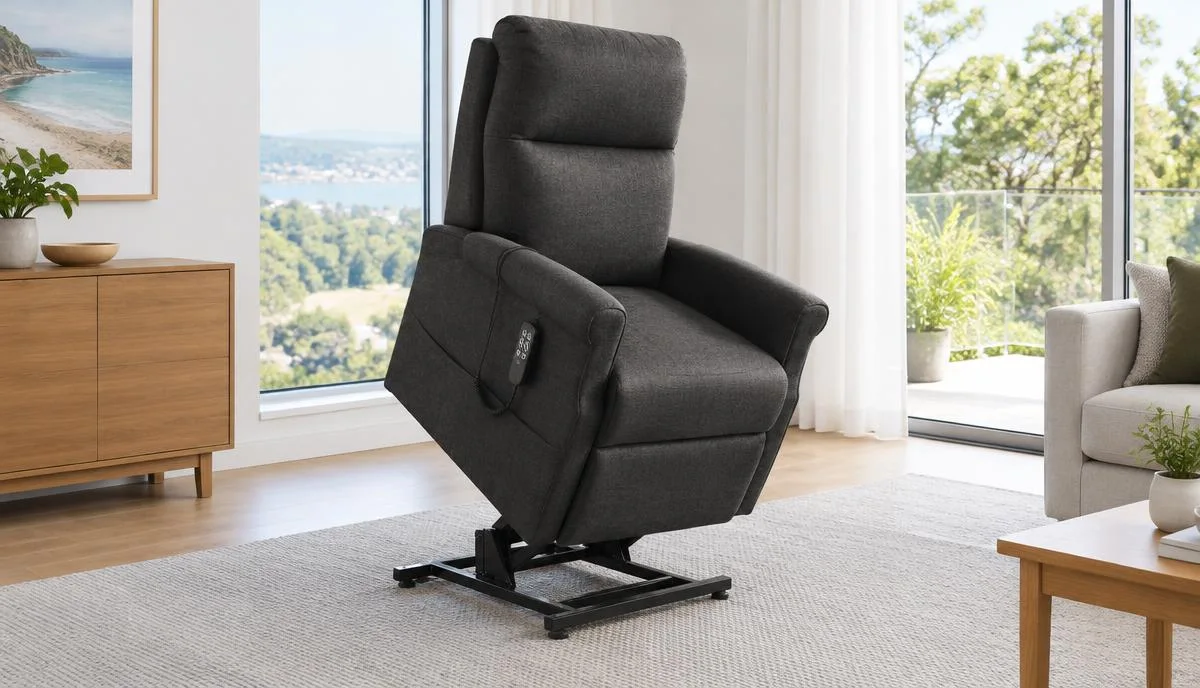
Choosing the Right Electric Lift Recliner Chair: Why One Size Does Not Fit All
An electric lift recliner chair can make a meaningful difference to a person’s comfort, mobility and ability to complete everyday transfers.
However, selecting the right chair involves much more than choosing a preferred colour, fabric or reclining function.
For people living with physical disabilities, neurological conditions, reduced mobility or complex postural needs, an unsuitable chair can increase discomfort, compromise positioning and create additional safety risks.
An occupational therapy assessment can help determine whether an electric lift recliner chair is appropriate and identify the features required to meet the person’s individual needs.
What Is an Electric Lift Recliner Chair?
An electric lift recliner chair is a powered seating system that assists a person to move between upright, reclined and elevated positions.
Many models include a lifting mechanism that raises and tilts the chair forward to assist with standing.
Other features can include independent backrest adjustment, leg elevation, head support and specialised positioning functions.
While these features can improve accessibility, different chairs provide different levels of support.
Single-Motor Versus Dual-Motor Recliner Chairs
Single-motor chairs generally coordinate the movement of the backrest and leg rest.
They may be suitable for individuals who require relatively straightforward positioning adjustments.
Dual-motor chairs allow the backrest and leg rest to operate independently.
This provides greater flexibility when a person needs to elevate their legs without significantly reclining their upper body.
Some specialised chairs provide additional positioning functions, including tilt-in-space mechanisms.
These features should be selected according to clinical need rather than simply choosing the chair with the greatest number of functions.
Why Seat Measurements Matter
Correct seat dimensions are essential for comfort, positioning and transfer safety.
Important measurements include seat height, seat width, seat depth, backrest height and armrest positioning.
A chair that is too high can prevent the person’s feet from making appropriate contact with the floor.
This can affect stability during transfers.
A chair that is too low can increase the effort required to move from sitting to standing.
Excessive seat depth can prevent adequate back support, while insufficient seat width can create pressure and restrict movement.
These considerations are particularly important for individuals with reduced trunk control, asymmetrical posture or complex mobility needs.
Transfer Safety and Independence
The powered lifting function can assist some individuals to transition from sitting to standing.
However, a lift mechanism does not automatically make transfers safe.
The participant must still have sufficient balance, lower limb capacity and control to complete the transfer, or have an appropriate assistance arrangement.
An occupational therapist can assess transfer technique, stability, fatigue and the level of physical assistance required.
For individuals unable to safely weight-bear, an electric lift recliner is not a substitute for appropriately prescribed hoisting or transfer equipment.
Pressure Management and Postural Support
Participants who spend extended periods seated may require additional pressure management and positioning support.
An electric recliner does not automatically provide adequate pressure redistribution.
The occupational therapist should consider skin integrity, sensation, circulation, ability to reposition and overall pressure injury risk.
Some individuals require specialised cushions, tilt functions or alternative seating systems.
Where the participant cannot independently reposition, additional strategies may be necessary.
Choosing the Right Controls
Control access is another important consideration.
Some participants can independently operate standard handheld controls, while others require larger buttons, simplified interfaces or assistance from another person.
The location of the controls, cable management and ease of use should be assessed during an equipment trial.
A chair that is difficult to operate can reduce independence even when its seating dimensions are appropriate.
Why Equipment Trials Are Important
A chair that appears suitable on paper may perform poorly during everyday use.
An equipment trial allows the participant and occupational therapist to assess comfort, transfers, positioning, control access and overall suitability.
The trial can also identify environmental considerations, including available floor space, electrical access and clearance required for reclining.
The objective is to identify equipment that functions effectively in the participant’s actual home environment.
Can the NDIS Fund an Electric Lift Recliner Chair?
NDIS funding depends on whether the proposed equipment meets the participant’s disability-related needs and applicable funding requirements.
An ordinary household recliner is not automatically an NDIS-funded support.
Clinical evidence should explain why the specific disability-related features are required and why alternative seating options would not adequately meet the participant’s needs.
Depending on the equipment and funding pathway, supporting information can include an occupational therapy assessment, equipment trial, supplier quotation and written clinical justification.
Funding is not guaranteed and must be considered against the participant’s individual plan and current NDIS requirements.
Making an Informed Equipment Decision
Choosing the right electric lift recliner chair requires consideration of the person, their functional abilities, their home environment and their everyday routines.
At Today & Tomorrow Allied Health Services, assistive technology assessments focus on identifying equipment that supports safety, comfort, independence and meaningful participation.
Need an Electric Lift Recliner Assessment?
Learn more about our assistive technology services:
Submit an occupational therapy referral:
Equipment examples
Examples of different equipment designs, not individual recommendations or endorsements. Suitability, seating, controls and compatibility need to be assessed and trialled. Pressure-redistributing seating does not remove the need for an individual pressure-care plan.
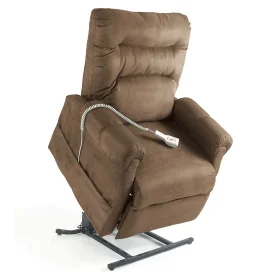
Dual-motor lift recliner — Pride C6
Independent backrest and leg-rest adjustment offers more positioning options than a linked single-motor mechanism. A lifting function does not, by itself, make a transfer safe.
Photo and product details: Aidacare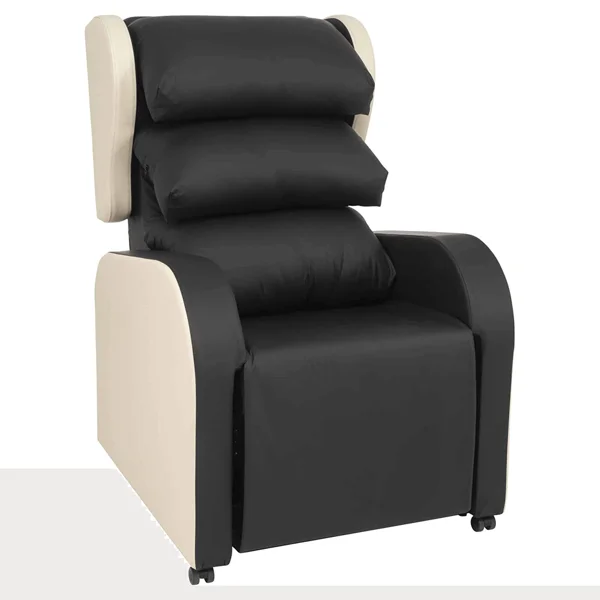
Pressure-management seating — Denver Chair
Specialised seating with memory foam and modular support options. This clinical seating example is not equivalent to a standard lift recliner; pressure redistribution and transfer arrangements need individual assessment.
Photo and product details: Aidacare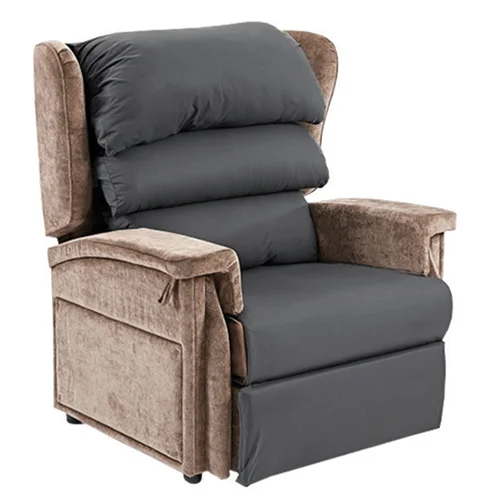
Tilt-in-space rise-recliner — Configura Comfort
Combines rise-recline seating with tilt-in-space and configurable support options. Tilt changes the seat angle to assist positioning; the appropriate cushion and pressure-care plan remain person-specific.
Photo and product details: AidacareOfficial sources
This article provides general information only. NDIS rules and individual circumstances can change; check current official guidance or seek advice about your situation.