
Specialist services and referrals
When Does the NDIS Fund a Wheelchair?
Wheelchair funding depends on disability-related needs, suitable equipment and the evidence supporting the request. Learn what to prepare before assessment, trials and purchase.
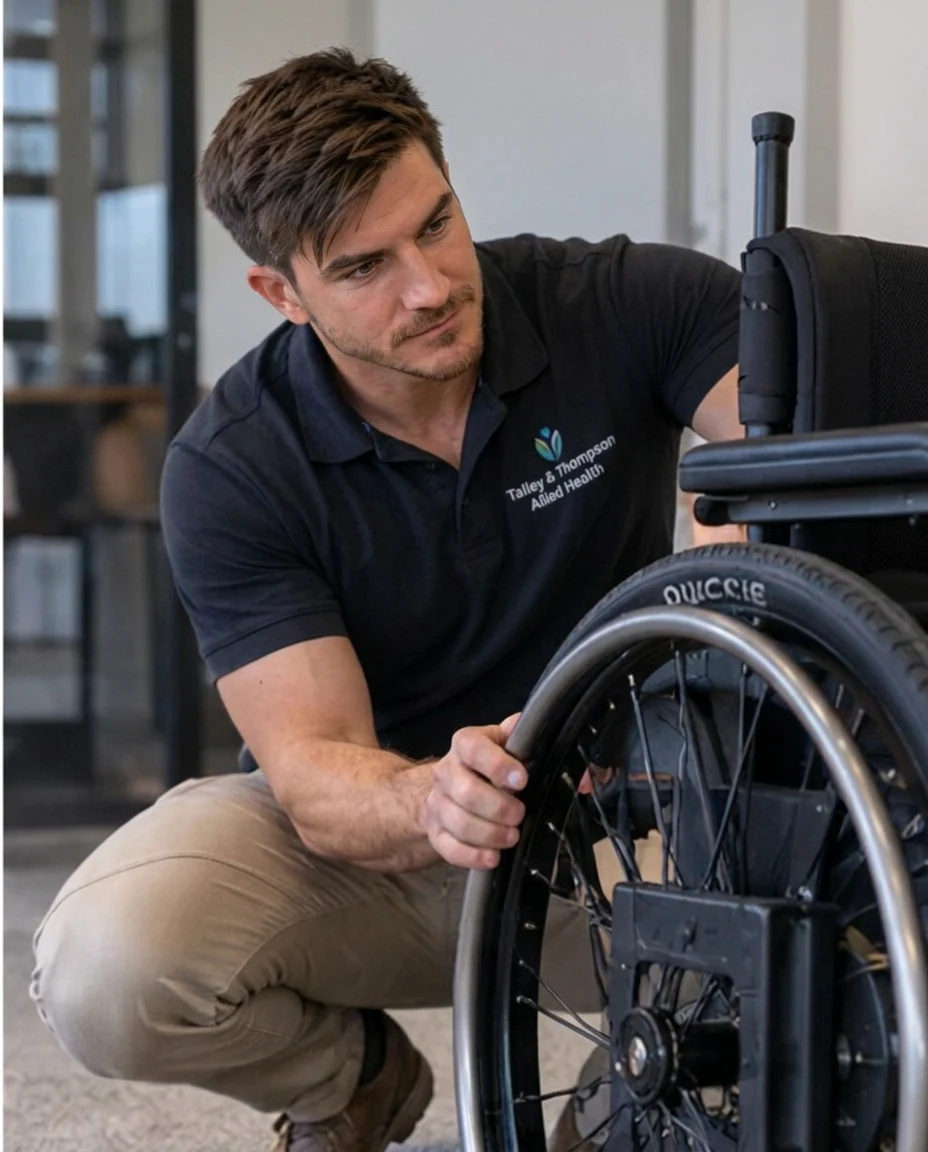
Wheelchair funding starts with your everyday needs
The NDIS may fund a wheelchair when it is an NDIS support related to your eligible impairments, meets the applicable funding criteria and is consistent with your plan. A diagnosis, recommendation or supplier quote alone does not establish entitlement. The question is how the equipment addresses your particular disability-related needs.
A wheelchair can support more than movement between places. It may help you conserve energy, maintain a supported sitting position, access work or study, or participate in family and community life. Your preferences matter, alongside clinical safety and suitability. Needing a wheelchair for some activities does not mean you must use it for every activity.
What the funding decision considers
The NDIA considers evidence about the proposed support, including its relationship to disability, likely effectiveness and value for money. It also considers whether another service system should provide it. Equipment required as part of hospital treatment or short-term rehabilitation may involve different responsibilities from equipment for ongoing disability support.
A useful request explains what you need to do, what currently prevents you doing it, and why the proposed wheelchair is an appropriate response. It should address suitable alternatives rather than simply describe a preferred product. The least expensive chair is not necessarily suitable, but additional features need a clear functional or clinical justification. See the NDIA's evidence guidance listed below.
Assessment should connect the person, chair and environment
An appropriately skilled assistive technology assessor can examine mobility, transfers, posture, pressure care needs, fatigue, upper-limb function and the assistance you currently receive. Assessment should also explore your communication preferences, routines and priorities. Where relevant, other treating professionals can contribute information about health or positioning needs.
The environment matters just as much as the equipment. Door widths, turning space, thresholds, gradients, outdoor surfaces, storage and charging arrangements can affect suitability. Transport needs should be explored early, including whether you transfer into a vehicle seat or remain seated in the wheelchair. A wheelchair recommendation does not automatically establish eligibility for vehicle modifications or a different vehicle.
Trials help explain why an option is suitable
Where appropriate, trials allow you and the assessor to examine how equipment works in settings that resemble everyday life. Useful observations include comfort, transfers, manoeuvring, fatigue, access to controls and the assistance required. Trial duration and arrangements should reflect your needs and the equipment involved, not an assumed universal process.
The report should explain what was trialled, what worked, what did not and why. If a lower-cost option is unsuitable, describe the practical limitation rather than dismissing it without evidence. Powered seating, specialised controls and customised components should each have a clear purpose. The NDIA's assistive technology guidance listed below explains the broader assessment and purchasing framework; check for updated requirements before proceeding.
Prepare useful information before requesting funding
Bring your current plan, relevant clinical reports, details of existing equipment and a description of your typical week. Record where mobility becomes difficult, how often this occurs and what support you need. Include changes in function, equipment breakdowns or discomfort, while distinguishing your own observations from findings confirmed by a clinician.
Ask the assessor and supplier to clarify the proposed configuration and itemised costs. Depending on your needs, the request may need to address fitting, training, delivery, maintenance and repairs. Consider what happens while equipment is being repaired and whether an interim arrangement needs discussion. These costs and arrangements should not be assumed to be included automatically.
Before paying a deposit or ordering, confirm what your plan permits, whether a quote or written approval is required, and how payment will be managed. Different equipment costs and risks can involve different evidence requirements. Do not assume that available funds in another budget can be redirected to the wheelchair, or that the NDIA will reimburse an unapproved purchase.
Frequently asked questions
Can the NDIS fund a power wheelchair rather than a manual wheelchair? Potentially. The evidence needs to explain why the proposed option is suitable for your disability-related needs and why alternatives would not meet them adequately. Preference is important, but a powered wheelchair is not funded automatically because it is easier to use or has more features.
Will the NDIS replace a wheelchair that no longer meets my needs? Replacement may be considered, but it is not automatic. Explain what has changed, whether repair or adjustment is possible, and why replacement is needed. Ask the NDIA what evidence and approval are required before committing to a purchase, especially if the replacement differs substantially from your current equipment.
Choose the right next assessment step
To discuss daily functioning or disability-related support needs, contact Today & Tomorrow Allied Health Services to discuss an appropriate assessment. Confirm the scope, suitability, fees and availability before proceeding. Funding decisions and plan permissions should be clarified with the NDIA; an assessment does not guarantee funding.
This article is general information, not an individual equipment prescription or funding decision. NDIS guidance and purchasing requirements can change; confirm the current position with the NDIA and your treating team.
Official sources
- NDIA — Evidence we need to include NDIS supports in your plan
- NDIA — Assistive technology: equipment, technology and devices; check for updated guidance
This article provides general information only. NDIS rules and individual circumstances can change; check current official guidance or seek advice about your situation.