
Assistive Technology
Why an Assistive Technology Trial Matters Before Purchasing NDIS Equipment
Assistive technology can make a significant difference to a person’s independence, safety and quality of life.
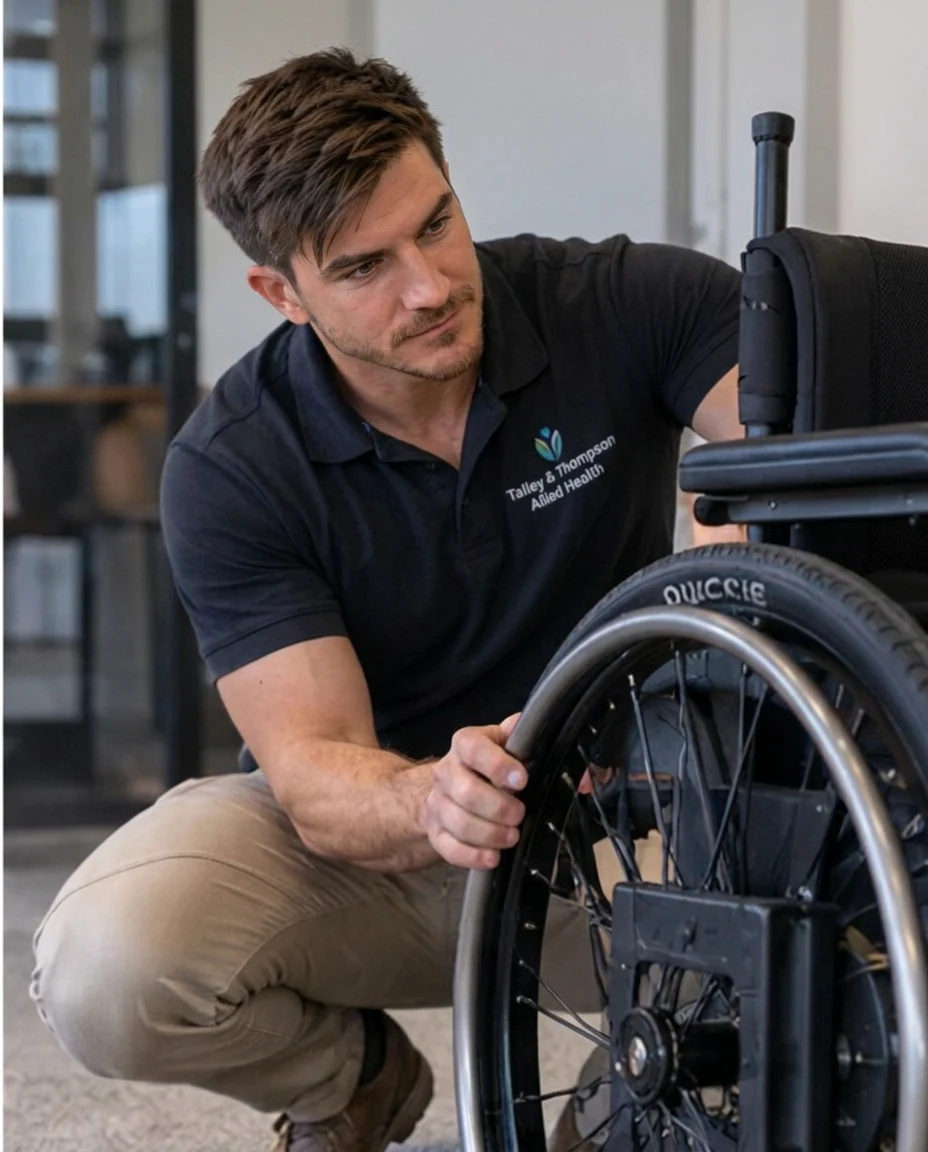
Assistive technology can make a significant difference to a person’s independence, safety and quality of life.
From wheelchairs and electric lift chairs to adjustable beds and bathroom equipment, the right device can help a person complete everyday activities that would otherwise be difficult, unsafe or impossible.
However, selecting assistive technology is not simply about choosing a product with the right features.
It is about determining whether that product is appropriate for the individual who will be using it.
What Is an Assistive Technology Trial?
An assistive technology trial involves testing equipment to evaluate its suitability for a person’s disability-related needs.
Trials may occur in a showroom, the participant’s home or another relevant environment.
An occupational therapist may assess the participant’s performance while using the equipment, examine potential risks and compare different options.
The extent of assessment and evidence required depends on the cost, complexity and risk associated with the item.
Why Equipment Trials Are Important
Two people with the same diagnosis may have very different functional abilities.
A wheelchair suitable for one participant may be uncomfortable, difficult to propel or inappropriate for another.
Likewise, an electric lift chair may appear suitable based on its dimensions but fail to provide appropriate positioning or safe transfer assistance.
Trials help determine whether equipment works in practice, rather than relying solely on product descriptions.
1. Evaluating Safety
Safety is a central consideration in assistive technology prescription.
For example, a wheelchair assessment may examine seating stability, pressure management, transfers, propulsion and the ability to negotiate everyday environments.
An electric lift chair trial may assess whether the participant can safely transition between sitting and standing.
A bed assessment may consider transfer height, positioning, pressure care and compatibility with other equipment.
Identifying concerns during a trial can reduce the likelihood of unsuitable equipment being purchased.
2. Assessing Functional Benefits
Equipment should have a clearly identifiable purpose.
An occupational therapist considers whether the proposed device improves the participant’s ability to complete meaningful activities.
This might involve greater independence with transfers, improved mobility, reduced physical assistance or better access to the community.
The trial should demonstrate how the equipment responds to the participant’s specific functional limitations.
3. Considering the Home Environment
A product that works well in a showroom may not be appropriate within the participant’s home.
Doorway widths, flooring, turning space, storage arrangements and access to power outlets can all influence suitability.
For powered mobility equipment, environmental considerations may extend to footpaths, gradients, transport arrangements and community accessibility.
Home-based trials can be particularly useful when environmental compatibility is uncertain.
4. Comparing Equipment Options
The most expensive product is not necessarily the most appropriate.
An occupational therapist may compare alternative devices, accessories or configurations to determine which option provides the necessary functionality.
This helps establish whether the recommendation is proportionate to the participant’s needs and represents appropriate value.
5. Supporting NDIS Funding Decisions
The NDIA considers evidence about the participant’s disability-related needs, the effectiveness of the proposed equipment, safety and value for money.
Trial findings can form part of this evidence.
Depending on the item, documentation may include clinical observations, product specifications, measurements, alternative options, risk considerations and a justification for the recommendation.
An equipment trial does not guarantee funding approval.
What Happens After a Successful Trial?
Following an appropriate trial, the occupational therapist may prepare an assistive technology assessment or letter of support.
This documentation can explain why the selected equipment is appropriate, what functional outcomes it is intended to achieve and whether training or follow-up is required.
For more complex items, further assessment, supplier consultation or additional trials may be necessary.
Assistive Technology Assessments With Today & Tomorrow Allied Health Services
Today & Tomorrow Allied Health Services provides occupational therapy assessments for a range of assistive technology needs, including mobility equipment, seating, transfer equipment and daily living aids.
We consider the participant’s functional abilities, environment, goals and long-term support requirements when making recommendations.
Considering new assistive technology?
Contact our team to discuss an assessment or equipment trial before proceeding with a purchase.
Frequently Asked Questions
Do all NDIS equipment purchases require a trial?
No. Requirements vary according to the item’s cost, risk and complexity. Trials are particularly valuable where suitability cannot otherwise be established.
Can I choose the equipment I want?
Participant preferences are important, but NDIS-funded equipment must also meet applicable funding criteria and be suitable for the person’s disability-related needs.
Can assistive technology assessments be completed remotely?
Some assessment components can be completed remotely, although physical trials and in-person evaluation may be necessary for particular equipment.
Official sources
This article provides general information only. NDIS rules and individual circumstances can change; check current official guidance or seek advice about your situation.