
Clinical occupational therapy education
Assessing Falls Risks in the Home
A home falls assessment considers the person, their everyday activities and their surroundings—not just loose rugs or steps.
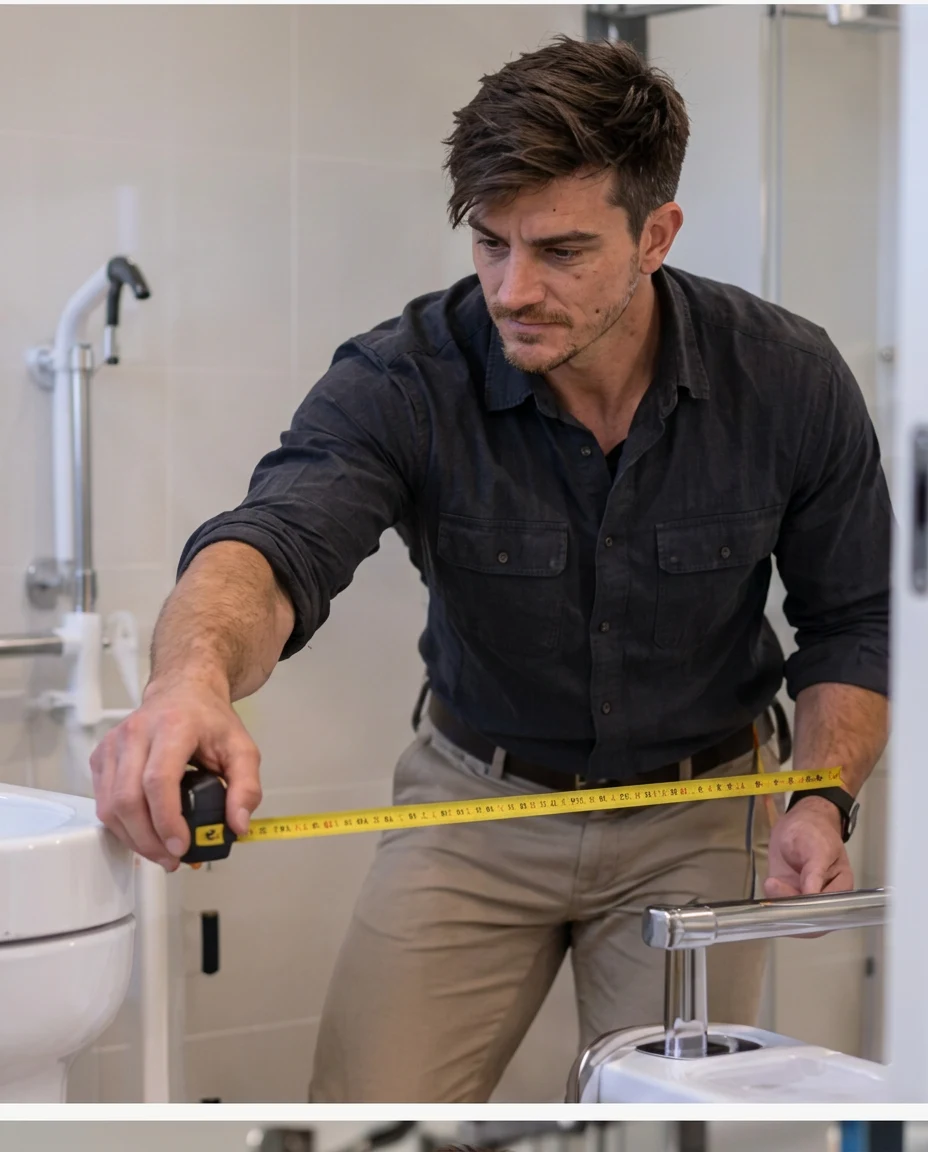
Looking beyond a household checklist
This article provides general information, not an individual assessment or medical advice.
A fall can affect confidence, independence and participation, even when there is no obvious injury. Assessing falls risks in the home means understanding how someone moves through their actual routines, what matters to them and where difficulties occur. Removing hazards can help, but a checklist alone cannot explain every fall.
The Australian Commission on Safety and Quality in Health Care's 2009 community care falls guidelines support an individual approach for older people. Their scope should not be mistaken for a disability-specific assessment covering every age group. An occupational therapist considers the person's circumstances and works with other clinicians when medical, mobility or sensory factors need investigation.
Understanding the person and the activity
An assessment usually begins with a conversation about falls, near misses and changes in daily function. Useful details include where an incident happened, what the person was doing, whether they felt dizzy and what assistance was available. Fear of falling, fatigue and rushing to the toilet also deserve attention.
With consent, the OT may observe relevant activities, such as getting out of bed, using the bathroom or reaching frequently used items. Observation should stay within safe limits; nobody should demonstrate an unsafe transfer simply to complete an assessment. A GP, physiotherapist, pharmacist or other clinician may need to assess contributing issues outside the OT's role.
Checking the environment in context
Environmental assessment considers lighting, floor surfaces, thresholds, stairs, bathroom access and the space available for movement. It also looks at whether mobility equipment fits through doorways and whether everyday items can be reached without awkward bending or climbing. A clear route during daylight may still be difficult at night.
Recommendations should reflect how the household actually functions. Moving furniture may improve access but remove a familiar point of orientation. A different toilet or chair height may help one person and make another person's transfer harder. The aim is a workable, agreed plan that supports participation rather than restricting movement unnecessarily.
Choosing equipment and modifications safely
A rail, shower chair, walking aid or transfer device is not automatically appropriate because it is marketed as a safety product. Assessment should establish the task, available space, support needs and compatibility with existing equipment. Where appropriate, trialling an item helps identify whether it improves the intended activity without introducing another hazard.
Bed poles and bed rails need particular caution because of entrapment risks. A mattress, bed frame and accessory must be assessed together; improvised attachments, gap fillers or unapproved combinations can be dangerous. Structural rails and modifications require suitable assessment and installation, not DIY positioning advice. The assistive technology and home modifications service pages explain relevant assessment pathways.
Preparing for the visit and implementing the plan
Before the appointment, gather a brief record of falls and near misses, an up-to-date medicine list, relevant reports and details of equipment already used. Explain any recent illness, hospital admission or change in support. Arrange an interpreter or trusted support person if wanted, and tell the clinician about access requirements.
There is no need to stage the home or practise risky activities. After assessment, ask which actions are most urgent, who will arrange them and when review is needed. Equipment handover should include safe setup, instruction and maintenance arrangements. Reassessment may be appropriate after another fall, a change in mobility or changes to the home or support team.
What health services and the NDIS may cover
Falls assessment can involve several systems. Medical investigation, treatment and acute rehabilitation remain health service responsibilities. Depending on eligibility and circumstances, community health, aged care or other equipment schemes may also offer assistance. A falls risk does not automatically establish NDIS eligibility or entitlement to a particular item.
For an NDIS participant, disability-related equipment, therapy or modifications may be considered under applicable funding rules and the person's plan. The NDIA distinguishes disability supports from services another system should provide. An OT report supplies clinical evidence; it does not guarantee approval. Before purchasing, clarify the funding pathway, required evidence and who is responsible for installation and follow-up.
When a fall needs urgent attention
Call triple zero (000) for a serious injury, loss of consciousness, breathing difficulty, suspected stroke or other medical emergency. After a head injury, unconsciousness, seizures or uncontrolled bleeding require emergency attention. Anyone taking blood-thinning medicine who hits their head needs same-day medical review, even if they feel well. Do not assume someone is uninjured because they initially feel well, and do not attempt an unsafe lift from the floor.
New dizziness, repeated falls, unexplained collapse or a sudden decline in walking should prompt medical review rather than waiting for a routine OT appointment. If uncertain about urgency, contact healthdirect on 1800 022 222. A personal response plan should explain how to summon help, particularly when someone spends time alone.
Frequently asked questions and next steps
Do I need to have fallen before requesting an assessment? No. Near misses, difficulty with transfers, new mobility limitations or concern about a particular activity can justify discussing assessment. Explain the change and its effect on everyday life so the referral can be directed appropriately.
Can telehealth replace a home visit? Sometimes an interview or follow-up can occur remotely, but video may not show floor conditions, transfer demands or equipment fit reliably. The clinician should decide what requires in-person assessment. For non-urgent enquiries, use the referrals page and describe the activities, recent incidents and current supports involved.
Official sources
- Australian Commission on Safety and Quality in Health Care — Falls Guidelines for Community Care
- NDIA — Mainstream and community supports
- healthdirect — Head injuries
This article provides general information only. NDIS rules and individual circumstances can change; check current official guidance or seek advice about your situation.